

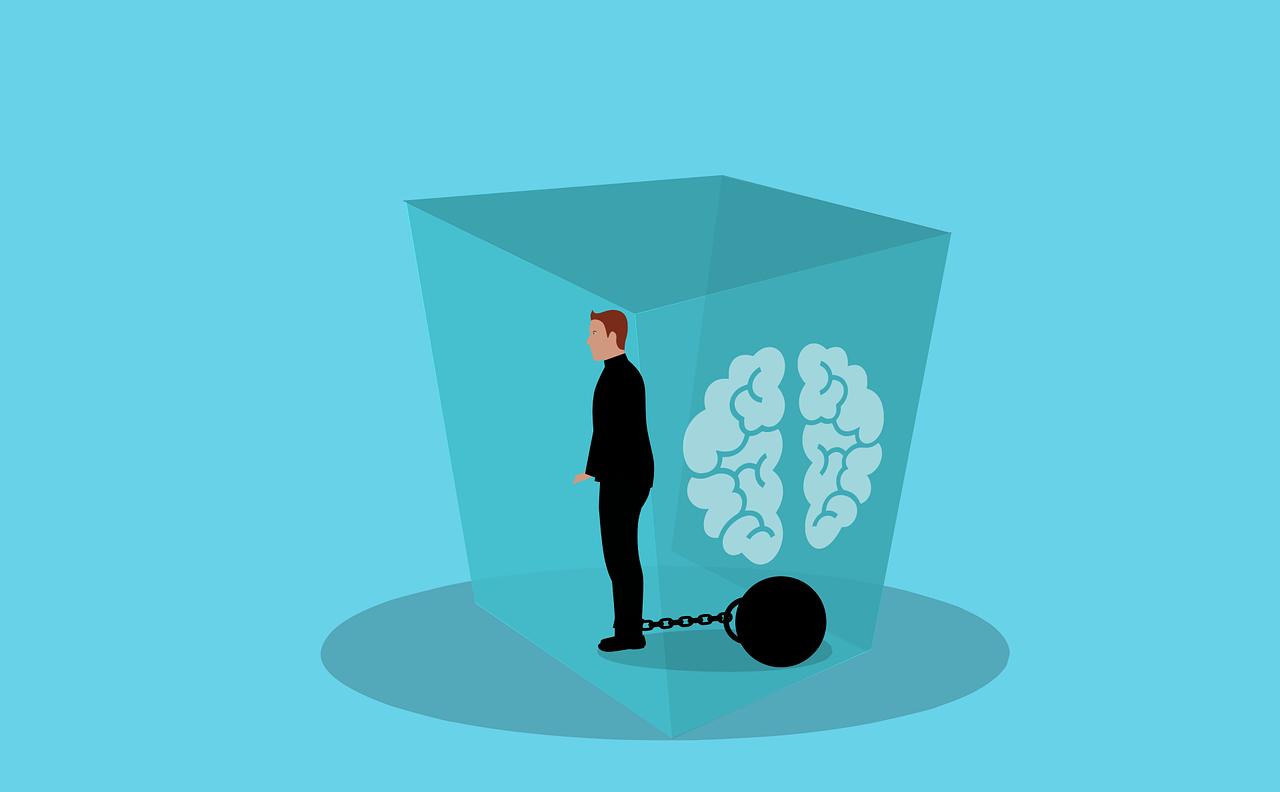
In recent years, mental health has become an increasingly important topic in Kosovo. While awareness is growing, there are still many cultural barriers and misconceptions that prevent people from seeking help or even acknowledging their struggles.
Historically, mental health issues were often viewed as taboo or signs of personal weakness. Many individuals suffering from anxiety, depression, or trauma would avoid speaking out due to fear of judgment. This stigma, especially strong in rural areas, has led to a lack of understanding and a shortage of open dialogue.
Fortunately, this trend is slowly changing. NGOs, health institutions, and educational campaigns are working to break down the stigma and raise awareness, particularly among younger generations. Social media has also played a major role in allowing people to share their experiences, seek advice, and find supportive communities.
Despite the progress, Kosovo still faces challenges. There is a shortage of licensed mental health professionals, particularly outside major cities. Access to affordable therapy or psychiatric services is limited, and mental health is often underfunded in public health budgets.
Schools and universities are beginning to integrate mental health programs, encouraging students to prioritize their emotional well-being. Likewise, some employers are starting to recognize the importance of mental health support in the workplace.
Raising awareness is just the beginning. A lasting solution requires continued investment, education, and above all, compassion. By talking openly about mental health, Kosovo can foster a healthier and more understanding society — one where no one has to suffer in silence.